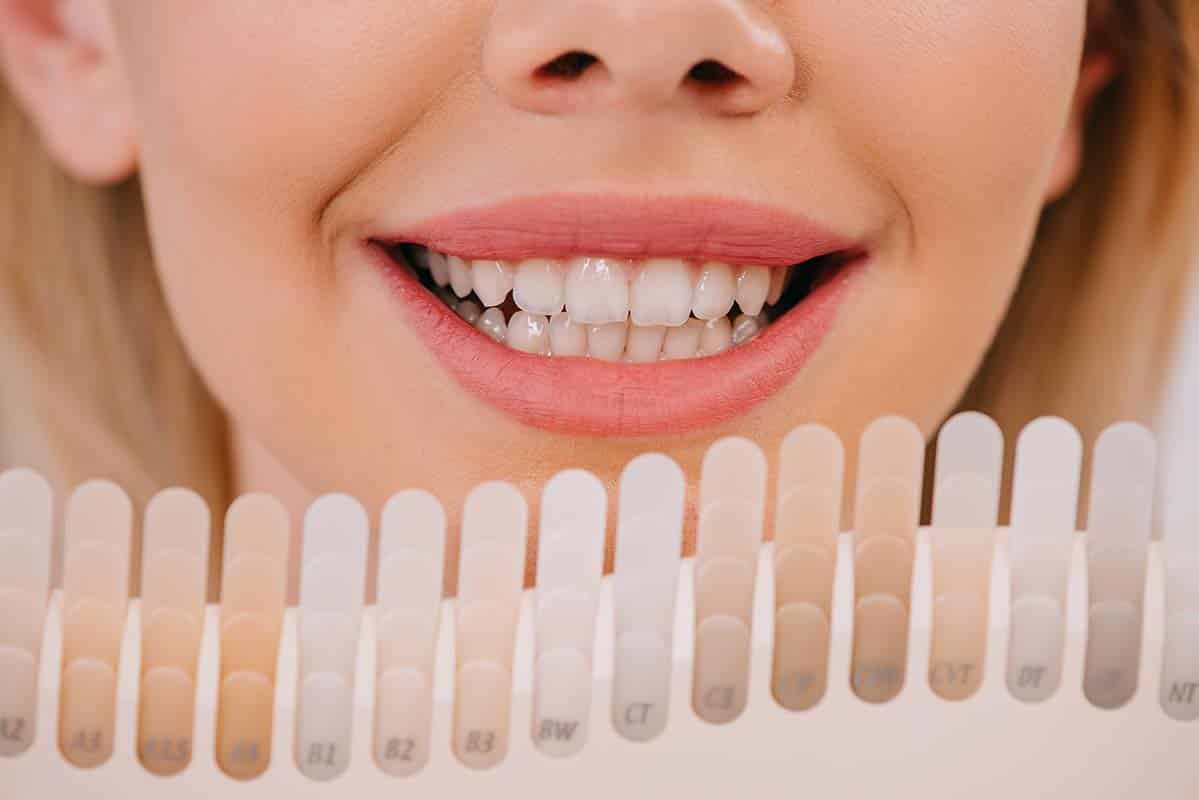
How Teeth Whitening Works - Strips, Gels, and More

Millions of people suffer from varying degrees of tooth discolouration. Even those who maintain good oral hygiene and do not miss preventive dental exams may experience this problem. This is due to the fact that many other factors, such as diet and lifestyle, can have a negative impact on the natural colour and shine of the teeth.

However, achieving pearly white teeth and a lovely smile is now easier than ever. There are numerous options available for teeth whitening in Singapore, ranging from over-the-counter (OTC) products for at-home whitening use to in-office procedures done by dental professionals.

In this article, we will examine each method in depth, including its effectiveness, side effects, and cost. But, before we get there, let's look at the causes of teeth discolouration and the different types of stains you may have.

Types of teeth stains and their causes

In general, there are two kinds of stains you may encounter: those on the outside of your teeth, which are called extrinsic stains, and those on the inside of your tooth enamel, known as intrinsic stains.

Extrinsic stains originate on the tooth surface. They typically appear as a result of environmental factors such as smoking or consuming too much coffee, red wine or other staining foods and drinks.

Intrinsic stains originate within the tooth. They can be caused by fluoride overexposure, any dental trauma or severe tooth inflammation (pulpitis). In some cases, these stains may occur as a result of taking certain antibiotics.

Extrinsic and intrinsic stains are treated differently. If you don't know which type of tooth stains you have and what treatment is best for your case, then consult a dental professional.

What teeth whitening options are there?

There are many teeth whitening treatments you can choose from if you want to improve your smile. You can opt for OTC teeth whitening products such as toothpastes, strips, whitening gels or at-home whitening kits. Such treatments are usually more gentle and contain a lower concentration of bleaching agents. They typically require a longer treatment time to provide visible results.

Another option for achieving a brighter smile is to get your teeth whitened at the dentist's office or to purchase an at-home whitening kit from your dental provider. Chairside teeth whitening normally provides instant results. In addition, it can significantly lighten your permanent teeth since dentists usually use a higher concentration of bleaching agents such as carbamide peroxide and hydrogen peroxide.

Whatever teeth whitening treatment you choose to use, it is always best to consult a dental provider first. He or she will determine the type and severity of the staining and recommend the most suitable tooth whitening method for you, even discussing possible natural whitening methods.

In-office teeth whitening

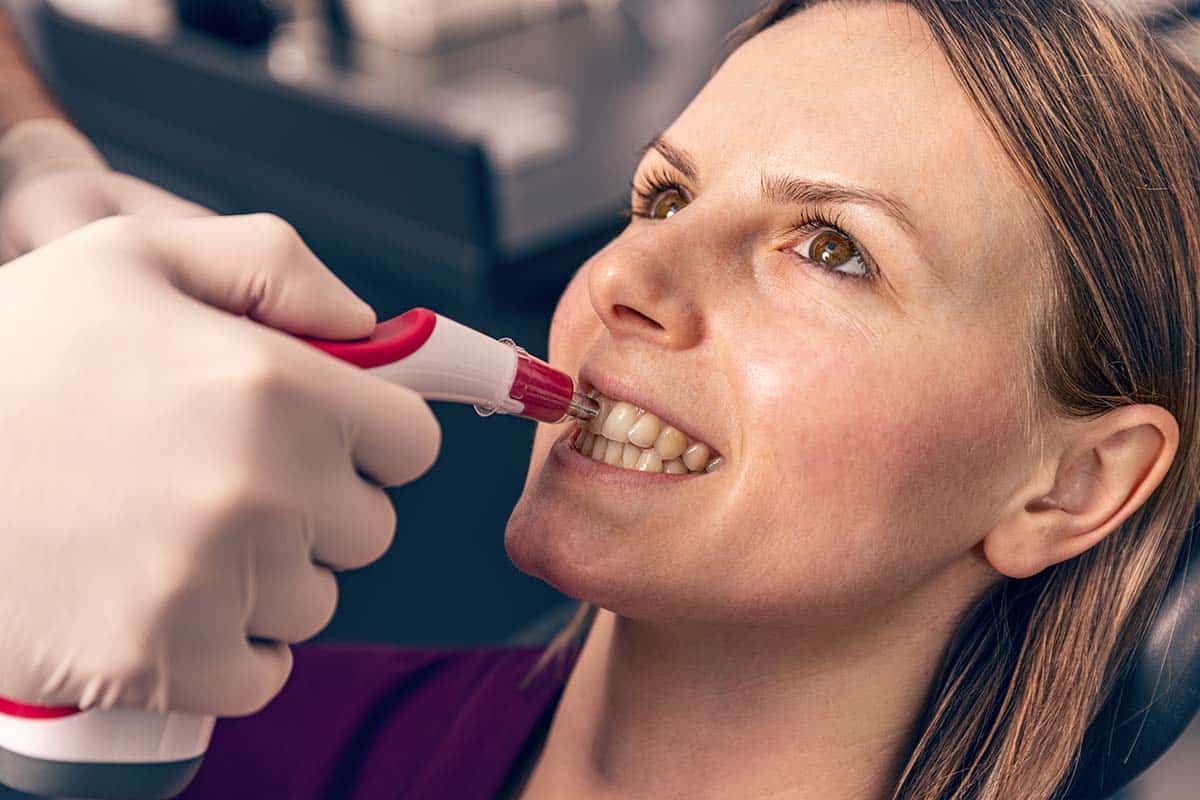
Dentist applies a tooth whitening gel with a syringe

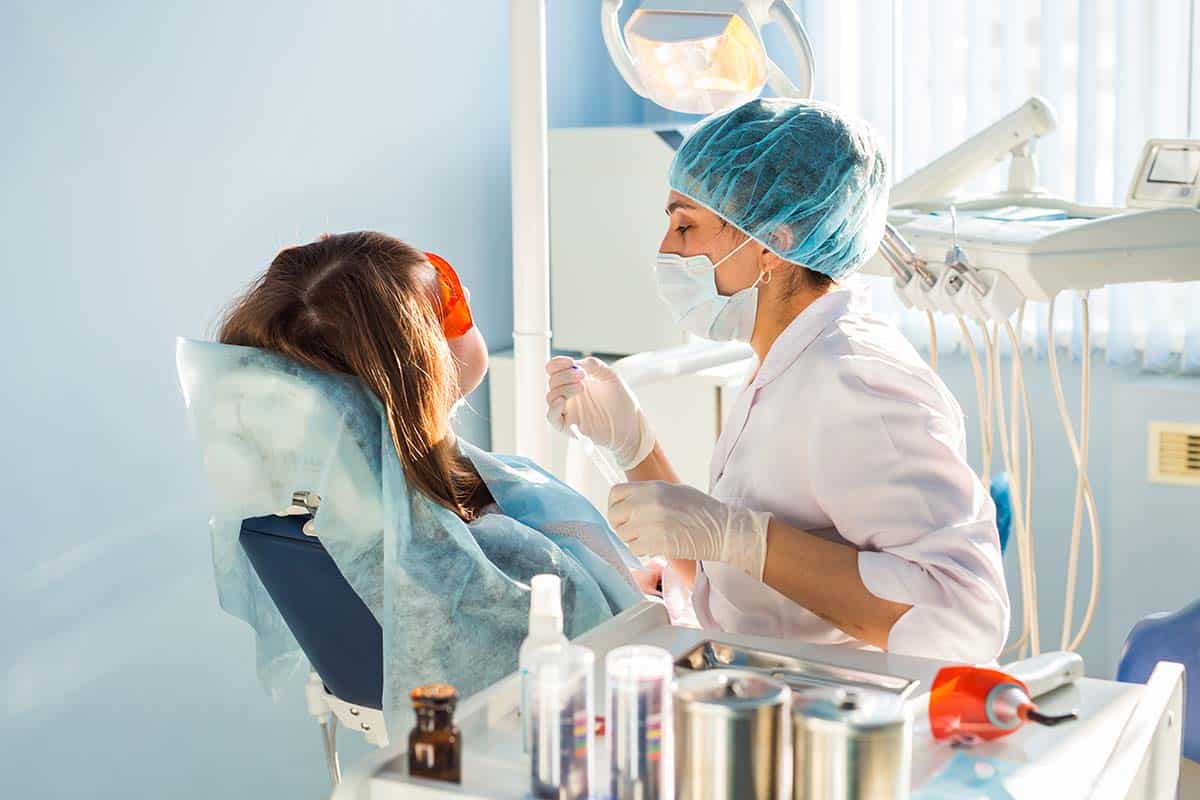
In-office whitening is usually the fastest and most effective way to get whiter teeth. The procedure can be done by a dentist or dental hygienist.

How does it work?

During the treatment, the dentist uses powerful bleaching agents to remove any stains and whiten teeth. These whitening products will go into your tooth enamel and break down the pigment molecules responsible for discolouration. The provider may use a light or laser device to even further activate the lightening process. This will help the bleaching gel to penetrate deeper into the stubborn stains of the teeth and dissolves them.

The complete whitening procedure shouldn't take longer than an hour and your teeth will appear whiter immediately.

Are there any side effects?

In-office whitening procedures are usually safe (see more in our post titled "Is Teeth Whitening Safe?"). However, they sometimes may cause some temporary complications. Experiencing tooth sensitivity is a very common side effect of the use of hydrogen peroxide. However, you should keep in mind that this is not a permanent sensitivity and not everyone will have it. Also, not everyone will experience it to the same level.

Another possible adverse effect you may have after the treatment is gum irritation. You can expect this to resolve on its own in a few days. Your dentist may recommend you use saltwater rinses to alleviate the discomfort.

How long do the results last?

As long as you take good care of your teeth, the results of your teeth/ tooth whitening may last for up to 3 years. However, if you smoke or consume too much coffee and red wine, then your teeth may become stained sooner after the procedure. Practising good oral hygiene and avoiding staining foods and drinks will help you preserve the shiny appearance of your teeth for longer.

How much does professional teeth whitening cost?

In-office teeth whitening procedures are normally more expensive than at-home treatments. You can expect to pay anywhere from $500 to $1000, depending on the severity of your staining and the dental clinic you choose. Despite the higher cost of the treatment, it might be worth getting it since the results are longer lasting.

Another way dentists brighten our smiles is via the LED teeth whitening treatment.

Take-home teeth whitening kit
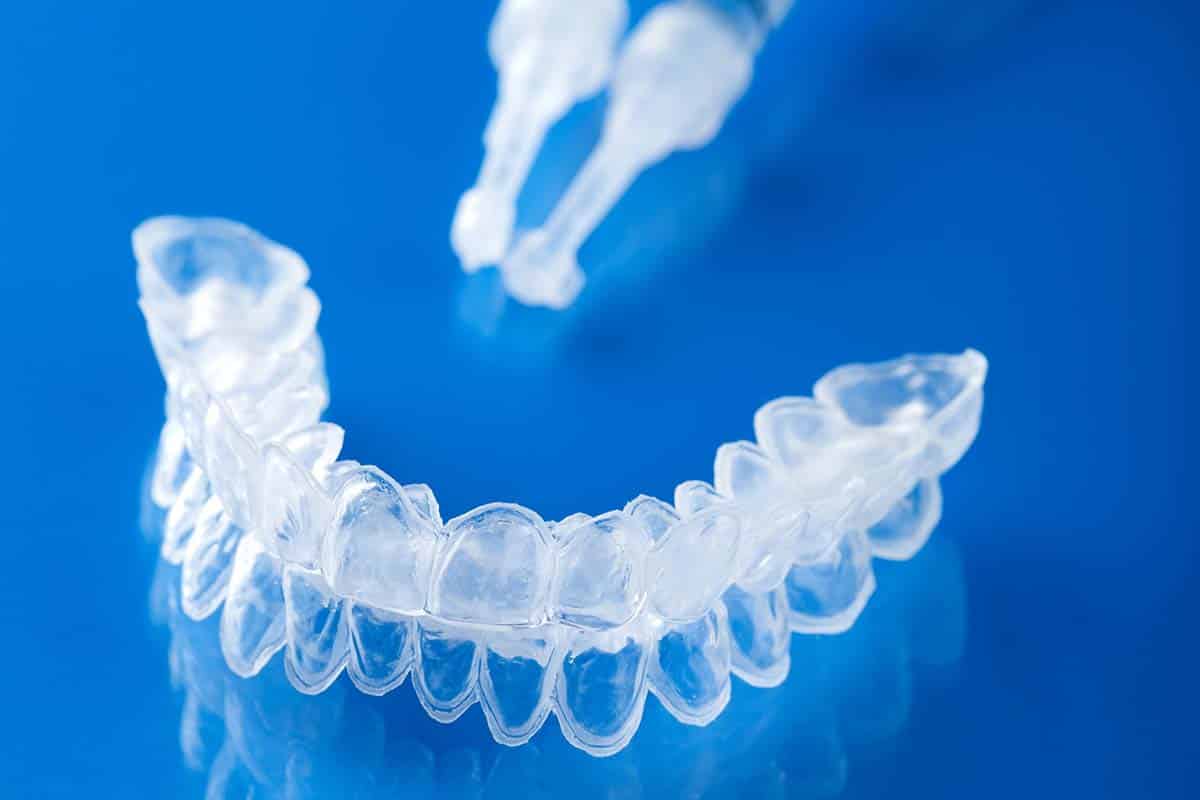
individual tooth tray for whitening

In addition to chairside teeth whitening, many dental clinics and professionals offer take-home whitening kits, which can also help you get a brighter smile. These products usually come with teeth whitening gel and special trays which are custom moulded to fit your natural teeth.

How does it work?

This treatment works similarly to the whitening procedure at the dentist's office. It uses a bleaching agent to dissolve surface stains. The difference between take-home whitening kits and professional whitening treatments is that the first takes longer to achieve whiter teeth.

On your initial appointment, your dentist will take an impression of your mouth and then send it to a lab where your bleaching trays will be made. On your second visit, you will receive the devices along with a bleaching gel. Your dentist will give you detailed instructions on how to use the teeth whitening system.

Are there any side effects?

There is a possibility to experience increased tooth sensitivity or gum irritation, especially if you use the trays for longer. It is important to use the teeth whitening kit exactly as your provider instructs you so that you avoid any complications.

How long do the results last?

The results of this whitening treatment may last six months to over a year, depending on your dental care and lifestyle habits. Smoking and poor oral hygiene can quickly diminish your outcomes.

How much does take-home whitening kit cost?

If you opt for an at-home teeth whitening kit you can expect to pay about $400 to $600. This treatment is a little bit cheaper than in-office whitening procedures.

Teeth whitening strips

This is an easy and one of the most affordable ways to whiten your teeth. It may take a bit longer, but you should still be able to have a whitening benefit.

How do they work?

The strips work in a similar way to the other teeth whitening methods. The products contain whitening ingredients such as hydrogen peroxide and carbamide peroxide, which penetrate to the tooth enamel and break down the staining molecules. Most whitening strips should be worn twice a day for about 14 days to provide visible results.

However, you should be aware that such whitening products typically contain a lower concentration of whitening agent, which means you may not achieve the same results as if you had your teeth whitened at the dentist's office.

Are there any side effects?

As with all products containing a bleaching agent, teeth whitening strips may also cause sensitive teeth or irritation to the gum tissue. You need to make sure you do not wear the strips longer than recommended.

How long do the results last?

The results of this treatment can last anywhere between 4 and 6 months. Again, you should be meticulous with your dental hygiene and avoid staining foods and drinks.

How much do teeth whitening strips cost?

The prices of the teeth whitening strips start at as little as $15 and can go over $50, depending on the brand you choose. This is one of the cheapest teeth whitening options. However, the strips may only help you if you have minor tooth discolouration. They cannot fix severe stains.

Teeth whitening toothpaste
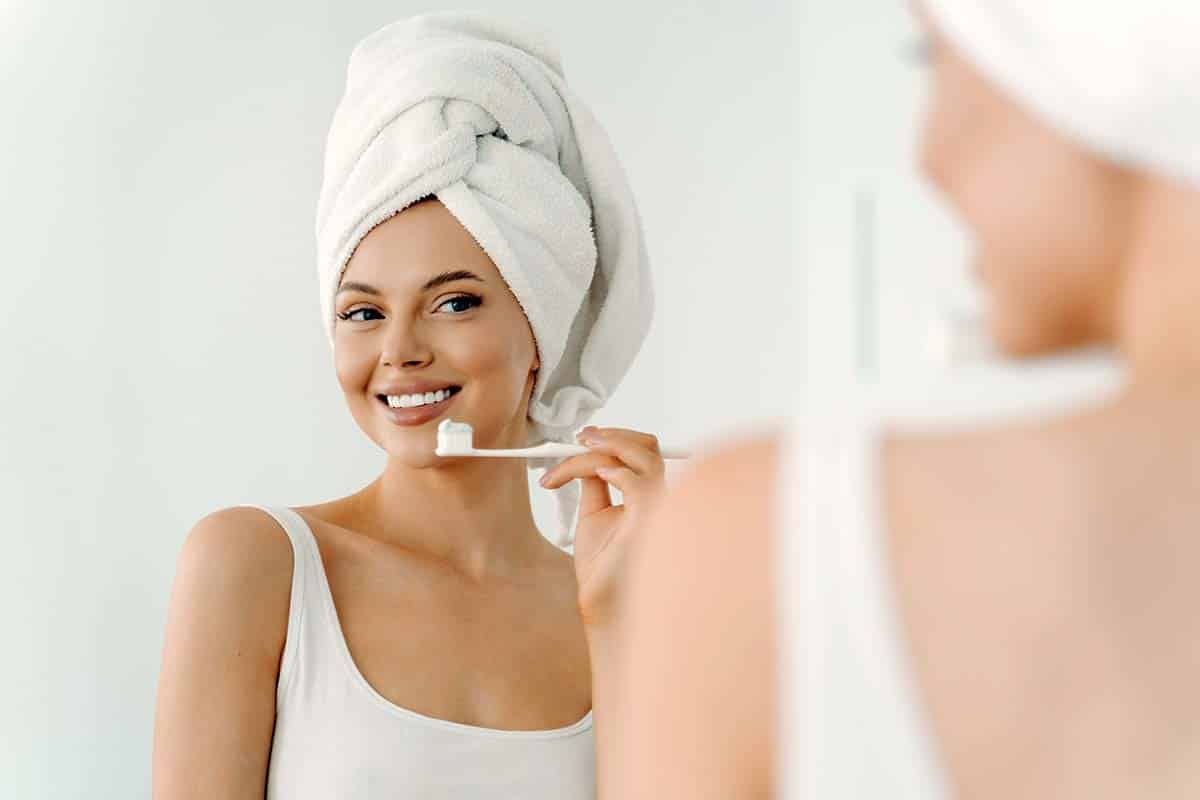
woman using teeth whitening toothpaste

Whitening toothpaste is another option for improving your smile. However, you need to understand that such items are more beneficial for preventing future stains rather than removing existing ones.

How does it work?

Whitening toothpaste normally contain mild abrasives such as hydrated silica, calcium carbonate, etc., which can be beneficial for improving discoloured teeth. When you use them on a daily basis, these abrasive ingredients can make your yellow teeth appear brighter. However, whitening toothpaste is usually not very effective at removing tough stains.

Are there any side effects?

Using whitening toothpaste every day for an extensive period of time can be too abrasive for your teeth, causing sensitivity and irritation. In addition, it is possible to make your enamel thinner and more susceptible to tooth decay and discolouration.

How long do the results last?

You can expect your results to last for about 3 to 4 months. However, you shouldn't expect any dramatic changes in the colour of your teeth. Toothpaste might be effective only on minor extrinsic stains.

How much do whitening toothpastes cost?

Most teeth whitening toothpaste are very affordable, costing around $5 to $20. How much you will pay depends on the brand and the intensity of the product you choose.

Frequently asked questions

Is Teeth Whitening Safe?

Do you often drink tea and coffee? Are you an avid smoker? If you answer 'yes' to any of these questions, you are likely conscious of yellow teeth and how your smile may not be as perfect as you wish. But there is a solution to the problem and it comes in the form of teeth whitening.

There are various teeth whitening products and teeth whitening treatments that you can do either on your own or with the aid of your dental professional. Whitening has become very common as more and more people resort to it in search of that whiter smile.

But is teeth whitening safe? It is an important question to consider, given the popularity of whitening products and procedures. Before we delve deeper, you should learn how stains occur and how teeth whitening works.

How do stained teeth occur?

man with stained and whitened teeth

Teeth discolouration and stains occur for different reasons and there are different factors that are at play. Stains come in 3 categories:

What are your teeth whitening options?

There are many options you can pick to whiten your teeth. There are three categories of whitening methods:

Which method or product you choose will largely depend on factors such as whether you have some form of dental trauma, your age, the type of discolouration you have, etc.

Related: Drinks and Foods to eat and avoid after teeth whitening treatment.

How to be safe about teeth whitening?

Is teeth whitening safe? Yes, it can be, as long as you are careful how you approach it. If you wish to have pearly whites and keep teeth whitening safe, you need to follow a few very important steps. We've written a post dedicated to explaining how teeth whitening works, if you're interested.

Always consult with your dentist first

Your dentist has a very important role in evaluating the health of your teeth and identifying issues - micro-sized holes on the tooth surface, sensitivity, gum disease, damage to tooth's nerves, etc. They will take all of that in mind before starting a whitening protocol to have your teeth whitened.

Be careful with home teeth whitening products

You should refrain from using teeth whitening products that contain more than 0.1% hydrogen peroxide. Products with higher concentrations can only be prescribed by a dental professional for a teeth whitening treatment. If you manage to still get such a product, bear in mind it doesn't make teeth whitening safe.

Follow product instructions

Whether you try a take-home whitening kit or a whitening toothpaste, you have to ensure you read and follow the instructions. That way you will know the exact usage of the whitening products, and the frequency of use. If you overuse or do not use teeth whitening kits correctly, you risk doing damage to your teeth.

In-office treatment vs home teeth whitening treatment

dentist performing teeth whitening procedure

Among the many benefits of in-office whitening treatments is the fact that they are quick and performed by a trained professional. The expert will take the time to assess your teeth whitening needs and proceed with a product that is best suited for your case. If you have tooth sensitivity towards hydrogen peroxide, carbamide peroxide or another bleaching agent, the dentist will recommend another approach.

In-office treatments are preferable because you can remove stains with a proven whitening procedure. You won't need to worry about the usage of the whitening options and how to achieve the best whitening effect. All of this you can leave in the hands of our professionals at the Bedok and Geylang clinic, whose job is to work on that brighter smile of yours by removing intrinsic and extrinsic stains from your teeth.

Teeth whitening at home is mostly done by using whitening toothpastes or other products are also an option. You can get whitening kits and whitening gels that are lower in concentration to try at home. Because of this, you may have to apply them more than once, in order to get the tooth-whitening effect you are after.

Is teeth whitening safe when performed at home? Because most whitening kits, whitening strips and other products contain carbamide peroxide and hydrogen peroxide, you have to be very careful in applying them. If you are not careful, you can have a bleaching agent come into contact with your gums, triggering an irritation.

What are some teeth whitening options you have?

whitening toothpaste

There are several products you can use to get whiter teeth:

You may be interested in reading about which is the best option for you - veneers or tooth whitening treatment.

Will teeth whitening work on false teeth?

Whitening procedures only work on natural teeth. You cannot expect good results on dental implants, veneers, crowns and fillings. Whitening treatments that use bleaching agents target the enamel and the stains that are on the teeth. Many of them will also work to prevent future stains.

Frequently asked questions

Teeth Whitening Side Effects and Risks

Teeth become stained for different reasons. Some of them have to do with the foods and drinks you may consume, and there is also the natural ageing process, which makes the enamel of teeth less white. Thankfully, there are many options for teeth whitening in Singapore out there you can choose from, in order to deal with the intrinsic stains and extrinsic stains that your teeth develop.

Key Takeaways

Some of the main side effects that may occur are:

However, you also need to consider that many of the methods used to whiten teeth come with a number of risks and side effects. There is always a chance that the teeth whitening products you use to cause some problems, which you have to be aware of. Whether you practice teeth whitening at home with whitening products bought from the store, or you go to your dentist's office, you should inform yourself about the risks and side effects of teeth whitening so that you don't experience any negatives.

Would you like a teeth whitening consultation?

Get in touch with one of our dentists if you'd like to discuss what is the best course of action and how to whiten your teeth with minimum or no risks.

How teeth become discoloured

There are two major ways in which teeth discolouration works:

Three main ways to whiten teeth

Dentist with teeth whitening machine

There are three main teeth whitening methods that you can resort to:

There are multiple factors at play when you choose which teeth whitening procedures to follow. There is the cost, your age, dental history, and treatment method involved in the process.

It is always good to first discuss with your dentist so that they can recommend a treatment plan and a whitening procedure that best suits your case. More importantly, they will know what method to recommend that best reduces the risk of any unwanted side effects.

What problems can teeth whitening treatments cause?

Some side effects of teeth whitening products are possible. Many over-the-counter products contain a bleaching agent, usually carbamide peroxide or hydrogen peroxide. Used correctly, these products can support the teeth whitening process and decrease stains.

However, there are also some risks associated with using these solutions, especially if you are careless and don't follow the instructions properly. Here are some of the risks you should be mindful of:

Gum irritation

It is not rare for a bleaching ingredient to cause gum irritation and in some cases even pain. It can range from mild irritation to bleeding gums. Such an issue is less likely to occur with a dentist administering the whitening procedure. However, products that you use at home for this purpose come with one size for all mouthguards, which are not as reliable.

When the mouthguard is not custom-made for your mouth, the product could end up leaking onto the gums and irritate them. The negative reaction depends on how concentrated the bleaching agent is and how long contact with it lasts. With higher levels of hydrogen peroxide in the product and possible mishandling, gum irritation and pain in the gum tissue is a serious risk.

Teeth sensitivity

When the bleaching agent soaks into the dentin of the tooth, it makes the nerves more exposed and vulnerable. Whitening products without a bleaching ingredient are safer and don't cause tooth sensitivity. Some over-the-counter products, like whitening gels, are at a greater risk of triggering increased tooth sensitivity.

One thing to remember about sensitive teeth after using tooth whitening products is that the effect should only be temporary. In most cases, tooth sensitivity lasts no more than 2-3 days after the whitening session.

Uneven whitening

Even when you are using the same whitening solutions, each tooth in your mouth can respond differently to the procedure. After all, teeth do have a different structure, which influences the end result. Teeth lacking in Calcium usually bleach more quickly than others. Additionally, if you have had any dental restorations, such as crowns and fillings, they may not respond to the whitening products at all. The product doesn't change the original colour of the implant, resulting in an uneven shade.

For this reason, it is usually better to consult with your dentist about a custom-fit tooth whitening system, in order to cover your teeth equally. In that regard, whitening strips don't always achieve the best result.

Enamel erosion

It is rare to experience enamel erosion due to a whitening effect, but it is still possible. It can be a direct result of the excessive use of bleaching agents. Most whitening formulae contain fluoride, Calcium, and Potassium nitrate, which are effective at preventing surface erosion and enamel loss. However, if the formula lacks these elements, there is a greater risk of enamel loss. The effect remains rare and mostly present in people with sensitive teeth.

The dentist you work with should be able to recommend a product that is safe to use and keeps the tooth enamel intact. The same applies to any product that they use in their whitening treatments.

Throat irritation

Throat irritation may seem strange to some, but considering you can ingest a small portion of the whitening solution, it is on the list of side effects. If this happens, you may feel your throat scratchy and sore for 1-2 days after using a whitening agent. It can even happen when you sometimes use whitening toothpaste. It should go away fairly quickly though. If it doesn't, you should speak with your dentist about the issue.

Temperature sensitivity

Whitening strips, gels, trays, and pens sometimes lead to increased sensitivity in teeth. It lasts for a day after the whitening treatment and then it fades away. Namely, it is mostly present in sensitivity toward hot and cold food and drinks. This is a side effect that occurs due to exposure to hydrogen peroxide, especially in the case of overuse of the said product.

Sensitivity toward hot and cold drinks and food goes away fairly quickly after the treatment. In some cases, it can be more severe, depending on the condition of the teeth and any other health conditions present.

Teeth dehydration/dry mouth

A lot of people don't link this side effect to teeth whitening, but it is always possible to experience this side effect. Tooth-bleaching agents like hydrogen peroxide and carbamide peroxide can dry out the enamel once they come in contact with it. That is because teeth are porous and substances penetrate there.

This side effect usually only lasts for several hours. If it is prolonged, you should contact your dentist immediately. If you are prone to dry mouth/xerostomia, you should always consult with your dentist first, before using any whitening gel or teeth whitening strips.

Related: After Teeth Whitening Tips to Maintain Results

Knowing more about the side effects of whitening treatments

patient getting in office teeth whitening treatment

Without a doubt, many of the products and procedures that you can turn to for the purpose of tooth whitening can lead to some side effects. Some of these unwanted side effects are minor and go away quickly, and some are rare and should be taken seriously.

In any case, it is always best to first consult with your dentist about teeth whitening treatments before you proceed to administer them. Whether it is an in-office treatment of intrinsic or extrinsic stains, there is some risk from the chemical reaction and mild abrasives used in the process that you best be aware of.

That said, let's see the potential side effects of some teeth whitening procedures and products.

Carbamide peroxide teeth whitening side effects

A lot of teeth whiteners contain carbamide peroxide. It is in many of the gels, pastes, and other products that your dentist may recommend. Unfortunately, an ill-fitting tray can often leave your gums irritated, especially if you already have gum disease. Custom-made trays are quite preemptive in this regard, but over-the-counter products don't come with any guarantee. They can come in contact with the soft tissues in your mouth and cause irritation.

Hydrogen peroxide teeth whitening side effects

If the whitening product contains a high concentration of hydrogen peroxide, for example over 3 percent, it can cause some damage to the teeth and the soft tissue in the mouth. The risk is greater if contact with a product containing this solution is prolonged and if you apply the product too many times. The most common side effect is teeth sensitivity, especially notable when consuming hot and cold foods.

Laser teeth whitening side effects

This is a modern method for whitening teeth. It is done in a dentist's office, but it doesn't come without risks. This is especially the case since people react differently to the procedure. Good oral health is very important before you attempt the procedure because it can lower the potential risks. It is possible to experience gum irritation, damage to the tooth pulp, tooth sensitivity, and even an increased risk of tooth decay.

LED teeth whitening side effects

Among the most common side effects of LED whitening treatments are gum and tooth sensitivity. According to studies, you may feel your teeth more sensitive for about a day after the procedure. There is also the fact that while the treatment shows promise in many, some people find the end result unsatisfactory. Additionally, it may not be as long-lasting as some of the other teeth whiteners (learn more about how long teeth whitening lasts). If you expose your teeth to a wide variety of staining foods and drinks, you will find yourself in need of a brighter smile in less than a month again.

Baking soda for teeth whitening side effects

Baking soda is one of the go-to products for dealing with stained teeth at home. But while it is finer than table salt, it is still an abrasive solution, which can lead to some enamel damage. Whether you use it alongside your whitening toothpastes or on its, you need to be very careful not to damage your teeth.

As a whitening method, it remains somewhat unproven, but with some risks for treating teeth stains. Whitening toothpastes usually contain abrasives too, but they are much safer and more proven than baking soda. That is why whitening toothpastes are preferred and generally a safer option than baking soda.

Whitening strips side effects

This oral health staple is usually safe, but there are some risks associated with frequent and extended duration of use. Soft tissue irritation and sensitivity are the most common complaints. Additionally, it is important to check the ingredients of the whitening product for potentially damaging components that can be quite harmful to teeth. In order to minimise these risks, you should consult with your cosmetic dentistry expert on what product is best to use for minimal risk.

Whitening pen side effects

Among all tooth whitening products, the whitening pen is quite popular. The goal of it is to whiten your teeth similar to strips, but it is easier to use because of the brush applicator it comes with. However, it too can make your teeth more sensitive on the first day after use. Another common side effect is gum irritation if you put the solution unwillingly on your gums. Overusing teeth whitening treatments like this at home can be more dangerous, as it can cause dry mouth, pain, and more.

Frequently asked questions about teeth whitening side effects

Teeth Whitening at Home - What are Your Options?

Maybe you like to indulge in a drink of coffee or tea on a regular basis, or maybe you are a smoker, who just cannot seem to shake the habit. No matter the case, perhaps you worry about the fact your teeth are not as white as you want them to be.

It is possible to whiten your teeth at home by using various methods. There are different whitening products that you can try out in the comfort of your home. More importantly, you can even use products from the grocery store for this task.

At-Home Vs In-Office Teeth whitening

man putting whitening toothpaste on toothbrush

There are two main teeth whitening procedures: use home whitening products or do a teeth whitening treatment with your dentist. There are some benefits and drawbacks to both methods that you will do well to consider if you wish to have the best result. Let's compare some of the main strengths and weaknesses of the two methods.

You may be interested in reading our after care tips to maintain the results from your teeth whitening treatment.

At-home teeth whitening

There are various ways to whiten teeth naturally, from using various products like apple cider vinegar, hydrogen peroxide, and baking soda paste to commercial products like a whitening pen or a whitening kit. Obviously, the science behind using some of the natural options is uncertain, and you should approach the task carefully.

Pros:

Cons:

In-office teeth whitening

dentist examining patient's teeth, teeth whitening consultation

Whether you are dealing with extrinsic stains, have issues from chewing tobacco, or just don't want to see tooth stains anymore, you can consider in-office teeth whitening. Tooth discolouration, stained teeth, and the desire for a brighter smile are all great reasons to make an appointment for a whitening treatment, which usually includes carbamide peroxide and hydrogen peroxide.

Pros:

Cons:

How Does At-Home Teeth Whitening Work?

Tooth enamel is semi-permeable. That is why certain chemicals, used in the teeth whitening process, mostly carbamide peroxide and hydrogen peroxide, can be used to break down the stains into less visible components. When used on the tooth enamel, they permeate it and do their job. That is the way most whitening treatments work.

There are also certain methods, such as using whitening toothpastes. They rely on contents with particles that serve as abrasive, which work to physically remove the extrinsic stains on your teeth. They do not alter teeth colour, but merely remove the impurities that change it.

Can yellow teeth become white again?

woman with yellow teeth smiling

White teeth are a nice confidence booster, especially if you have had to deal with stains for some time. Red wine, some foods, and age-related factors work to stain your teeth and prevent whiter teeth.

The good news is that there are plenty of teeth whitening methods that work wonders to restore a white smile. Yes, it is perfectly possible to white your teeth, even without going to the dentist.

By using a teeth whitening kit or teeth whitening strips, you can go through your own whitening regimen at home. You can consult with your dentist on the best whitening kits or whitening pens, or maybe another product they have in mind, to achieve the best outcome.

There are also some natural products you can use at home for effective stain removal and teeth whitening to get a more beautiful and white smile.

How can I get rid of yellow teeth at home safely?

The best way to whiten teeth is to consult with your operative dentistry expert and acquire a product that they recommend. You should avoid jumping to a product of your choosing, because it may not work as you expect.

If you have a condition with your tooth's nerves, gum irritation, sensitive teeth, or tooth decay, your dentist will point you to a product that will work best for your case.

How to Choose an At-Home Teeth Whitening Product

teeth whitening toothpaste

Teeth Whitening Kits

Teeth whitening kits vary widely in design and price. Some of these products feature a tray that you insert in your mouth for a duration that suits your teeth whitening goals. Typically, the tray is made of a peroxide solution paste/gel, which can contribute to your desired shade of white teeth.

There are also some teeth whitening kits that feature a LED light mouthpiece designed to speed up the whitening process and get you that whiter smile you are after.

Teeth Whitening Strips

Teeth whitening strips combine three essential benefits that make them very popular. They are a cheap option among all of the at-home whitening products; they are very easy to use and net great results.

The way they work is by using a gel side that goes onto your teeth. It is a peroxide-based solution that can whiten your teeth for months ahead. Strips expose your teeth to bleaching agents so you should make sure to follow the instructions on how long to keep them and for how many days to continue using them. The regimen with teeth whitening strips lasts for about 2 weeks.

Teeth whitening pen

A whitening pen can be a helpful tool to use on the go for touch-ups and quick maintenance. However, they are generally a weaker product than kits and strips and you should not expect wonders from them as a standalone whitener.

Whitening pens typically include carbamide peroxide or hydrogen peroxide base. You can apply twice a day for about two weeks, and their price point is usually on the affordable side.

Teeth whitening toothpaste

Most whitening toothpastes feature abrasives, such as perlite, alumina, or silica, which are essential when you want to remove stains. What is important is to go with a toothpaste that contains the right amount of abrasives, because one with a very high amount can damage the tooth surface.

Ask your dentist about a whitening toothpaste that works well for you, especially if you have sensitive teeth. You don't want to weaken the enamel and expose the dentin underneath. An approved whitening toothpaste should work for tooth whitening and removal of surface stains from your teeth without any side effects.

To use the product, gently brush your teeth with it with your dentist's recommended plan.

Other At-Home Teeth Whitening Methods

When it comes to teeth whitening procedures, you won't always have a teeth whitening kit at your disposal. That is when you can rely on a few more methods at home.

Oil Pulling

Oil pulling is a technique that revolves around swishing oil in your mouth for about 15-20 minutes three times a day, just before brushing your teeth. Most often it is coconut oil that people use for oil pulling.

The goal is to stifle the growth of bacteria that would otherwise contribute to tooth decay and possibly tooth discolouration. It can also help reduce inflammation. Bear in mind that oil pulling with coconut oil should not substitute regular washing and flossing.

Baking Soda

There is some research by the American dental association in favour of using baking soda to improve how your teeth look. The alkaline compound works to reduce the stains even without any bleaching agent involved.

According to researchers, baking soda-based dentifrices are safe for removing stains and to some extent as whitening treatments. What is more, baking soda-based dentifrices showed greater potential than their counterparts not containing baking soda.

It should also be pointed out that some toothpastes contain baking soda. You can also make your own mix with water. It works well when you follow up with a fluoride rinse.

Hydrogen Peroxide

Hydrogen peroxide is well known as a natural whitening agent, which also works to kill bacteria in the mouth. Doctors have been using it for years for various disinfection purposes. Some whitening products contain hydrogen peroxide at a higher concentration than you will likely use.

It is recommended that you dilute hydrogen peroxide because a solution with a high concentration can cause some problems, such as gum irritation. You can mix 2 teaspoons of hydrogen peroxide with 1 teaspoon of baking soda and brush with the solution and use it a few times a week.

Another way of using hydrogen peroxide is as a mouthwash before brushing teeth normally. You have to be careful and use a 1.5% or 3% solution to minimise the chance of any side effects. If you have the 3% hydrogen peroxide solution, you can dilute it to 1.5% by mixing it with an equal amount of water.

Chew high-fibre foods

Another method is to chew high-fibre foods, like legumes. They can effectively neutralise the effect of acidic foods and drinks like red wine, and help preserve the enamel of your teeth. Additionally, when you chew leafy greens or beans, you trigger a response in the mouth to produce more saliva, which in turn helps clean your mouth better.

Prevention is also important

If you want to have healthier high-fibre teeth, even without in-office treatments, you have to stay on top of stain prevention.

Reduce sugar intake

In order to prevent tooth decay and tooth sensitivity, you should limit your sugar intake. Sugar in the food supports the growth of Streptococcus mutans, which is the primary bacteria responsible for gingivitis and plaque. Make sure you brush your teeth after consuming any sugary food.

Limit foods and beverages that stain teeth

Some foods are notorious for staining your teeth - red wine, berries, coffee and soda. You don't necessarily need to avoid them entirely, but you should at the very least limit them. Try to brush your teeth about an hour after you have consumed any staining foods and beverages.

Floss and brush your teeth frequently

It is only normal to experience some tooth discolouration with age, it is mostly a buildup of plaque. Regular brushing and flossing as part of good oral hygiene can keep your teeth safe and healthy.

Any toothpaste, even one without a whitening agent, can remove plaque, while flossing is super effective against bacteria. If you also follow up with regular dental cleanings, you will be one step closer to achieving excellent oral hygiene.

FAQ:

How Long Does Teeth Whitening Last?

A bright smile has always been regarded as a symbol of beauty. Since ancient times, people have tried various remedies in order to whiten their teeth. These days, it is much easier and more efficient to achieve this goal.

There are various kinds of whitening treatments available today, including at-home and in-office procedures. DIY teeth whitening is usually more convenient and much cheaper than professional treatments. However, at-home whitening products may not produce as noticeable results as professional procedures. Furthermore, they are usually not very long-lasting.

Professional teeth whitening in Singapore, on the other hand, yield long-term outcomes. Their main drawback is that they tend to be quite costly. Which teeth whitening approach is right for you, and what kind of results can you expect?

In this article, we will discuss the longevity of various teeth whitening treatments. We will also give you some brighter on how to keep your teeth bright and stain-free for longer.

How long will teeth whitening results last?

dentist using colour palette to determine teeth whitening grade on patient

The effects of your teeth whitening procedure can last up to two years or as little as five to six months. There are various factors that come into play when it comes to how long your teeth will stay brighter. However, the type of treatment you choose, as well as how well you care for your teeth after they have been whitened, usually have the greatest impact.

You may be interested in reading about the possible side effects of teeth whitening.

Factors that affect teeth whitening results

Here are some of the factors that can have a significant impact on the results of your teeth whitening treatment.

Degree and type of stains you have

In general, there are two kinds of tooth stains - internal (intrinsic) and external (extrinsic). Internal staining is most commonly caused by ageing or the use of certain medications. This type of discolouration is typically more difficult to remove. Furthermore, as you age, your teeth become more prone to staining, which may affect the outcome of your teeth whitening treatment. If you have intrinsic stains, then professional teeth whitening treatment can be your best bet.

Extrinsic stains are those stains caused by specific foods and beverages. This type of discolouration can usually be easily addressed with at-home whitening products. However, if you have severely stained teeth and want to achieve more noticeable and long-lasting results, you should consider in-office whitening treatment.

Type of teeth whitening treatment you choose

There are many choices available these days when it comes to teeth whitening. You can whiten your teeth with over-the-counter products such as whitening toothpaste, whitening strips, pens, gels, etc. You can also leave this job to a dental professional.

If you opt for an at-home teeth whitening kit, you should know that it typically necessitates a longer treatment time. You need to use it for at least several weeks in order to remove stains. Furthermore, products like whitening strips and gels are typically not capable of producing long-term results. In-office whitening procedures, on the other hand, can give you a more visible whitening effect in just one dentist visit. Also, if you maintain good oral hygiene, you may be able to preserve your brighter smile for years.

How well you look after your teeth

It is critical to take care of your teeth after a whitening treatment. This will ensure that your results last longer and promote better oral health. You must brush and floss your teeth regularly, as well as get professional dental cleanings two times a year. You may also want to use teeth-whitening toothpaste in order to maintain your brighter smile.

In addition to proper hygiene, you will need to adopt other lifestyle habits to preserve your results. If you use tobacco products, it might be best to stop. Smoking can quickly ruin your whitened smile and have a negative impact on your dental health. You should also try to limit your intake of coffee and red wine to reduce the possibility of staining your teeth soon after the bleaching treatment.

How long does professional teeth whitening last?

Dentist doing ultraviolet teeth whitening in dental clinic for woman

The results of professional whitening treatment may last anywhere between one year and three years. It is considered one of the most effective ways to reduce stains and improve the colour of natural teeth.

There are a few approaches that your dentist may use in order to whiten teeth. In some cases, people choose to get veneers in Singapore instead of whitening but this decision requires a thorough discussion with a cosmetic dentist. Feel free to visit our dental clinic in Geylang and Bedok if you'd like to discuss this or any other whitening treatment option to determine which one is best for you.

Related: Veneers or Teeth whitening - which one is better?

Laser teeth whitening

The effects of this professional teeth whitening treatment could last up to three years. The procedure involves the application of high concentrations of bleaching agents such as hydrogen peroxide and carbamide peroxide. Then the dentist uses a laser device to heat up the whitening gel and break up stains and discolouration.

This is one of the quickest and most effective teeth whitening options. You will be in and out of the dentist's office in just one appointment and receive the whitening results you desire. However, you should keep in mind that the cost of laser teeth whitening is much higher than that of at-home treatments.

LED teeth whitening

This in-office treatment can also provide long-term results, typically lasting up to 2-3 years. The tooth whitening process is quite similar to laser teeth whitening. The dentist first applies a whitening agent to your teeth and then uses LED light to boost the effectiveness of the material.

The LED teeth whitening treatment is quick, very effective and long-lasting. The main drawback of this method is that it is expensive.

Custom teeth whitening trays

This treatment can produce results that last for up to a year. The teeth whitening trays are devices that are fitted and fabricated by a dental professional. Your dentist will get an impression of your teeth and provide you with custom whitening trays. They are usually made of tooth-coloured material and fit perfectly to your teeth.

The teeth whitening trays are reasonably priced in most cases, and they can last a long time when you take care of them. Another benefit of these items is that they are custom-made to fit your teeth. As a result, the bleaching agent is less likely to come into contact with your gums and cause sensitivity. One disadvantage of this whitening method is that it is less convenient because you cannot simply go to the store and purchase your trays. They need to be fit and fabricated by your dental provider.

How long does at-home teeth whitening last?

The results you achieve may last for approximately four or six months, depending on the product you used and how well you care for your teeth. At-home whitening kits are convenient and much cheaper compared to the whitening procedure at the dentist's office. However, you may need to use them for several weeks in order to achieve the desired shade.

Here are the various at-home teeth whitening products available on the market.

Teeth whitening toothpaste

Teeth whitening toothpaste can help you slightly brighten the colour of your permanent teeth. You can expect your smile to appear shinier for several months, usually 3 or 4. However, you should keep in mind that such products contain a very low concentration of whitening gels like hydrogen peroxide and carbamide peroxide. That is why you may need to use the toothpaste for a long time before obtaining any results.

Teeth whitening strips

In most cases, the results of this whitening treatment last around 4-6 months. The teeth whitening strips are normally based on hydrogen peroxide which can help you to dissolve stains and achieve white teeth. However, since they are over-the-counter products, they contain less concentration of this bleaching agent. Hence, the strips might work for mild surface stains, but they might not be very effective for more severe discolouration.

Teeth whitening pens

This is a whitening product with the shortest-lasting effects. These small devices, which contain whitening gel, can instantly whiten your teeth. However, the effect is only temporary, and the gel washes away quickly.

Teeth whitening aftercare tips

Close up shot of young beautiful woman toothy smile

Here are some tips on how to take care of your smile after having had your teeth whitened.

Dental hygiene tips

Proper dental hygiene is very important not only to maintain your smile whiter but also to keep your mouth healthy. Poor oral hygiene can lead to many problems including teeth stains, tooth decay, gum disease and so on.

Be sure to always keep your teeth clean by brushing and flossing them every day in the morning and evening. In addition, you shouldn't miss your regular cleanings by a dental hygienist.

Diet tips

You might be pretty good at brushing and flossing but if you love drinking coffee or red wine then you can quickly ruin the results of your whitening treatment. It is usually recommended to avoid foods and drinks that can stain teeth for at least 30 minutes after your whitening procedure. However, if you want longer-lasting outcomes, then it might be best to reduce their consumption at all.

In addition, you may want to avoid sugary foods and drinks because they can damage your tooth enamel and in the long run cause more tooth discolouration.

Read our full post with much more detailed information on after teeth whitening and aftercare tips.

Frequently asked questions

How to Whiten Teeth Naturally

Tooth discolouration is a problem that many suffer from. Although it doesn’t pose a threat to one’s dental health, it makes people self-conscious about their smiles. This often ends up being the reason why they attempt to whiten teeth naturally at home.

Hence, this post is going to focus on the most common natural ingredients that are currently used to remove surface stains and tooth discolouration.

Got Questions? Get in touch!

Don't hesitate to reach out to our friendly staff with any questions you may have about teeth whitening procedures and possible home treatments.

Key Takeaways

Natural Teeth Whitening Methods

Here are some of the most popular methods of whitening teeth at home.

Disclaimer: we do not encourage the use of any of these ingredients unless you have consulted a dentist first and been given the green light to do so. A single application of these products will not do you harm but long-term use may have its implications.

Baking soda

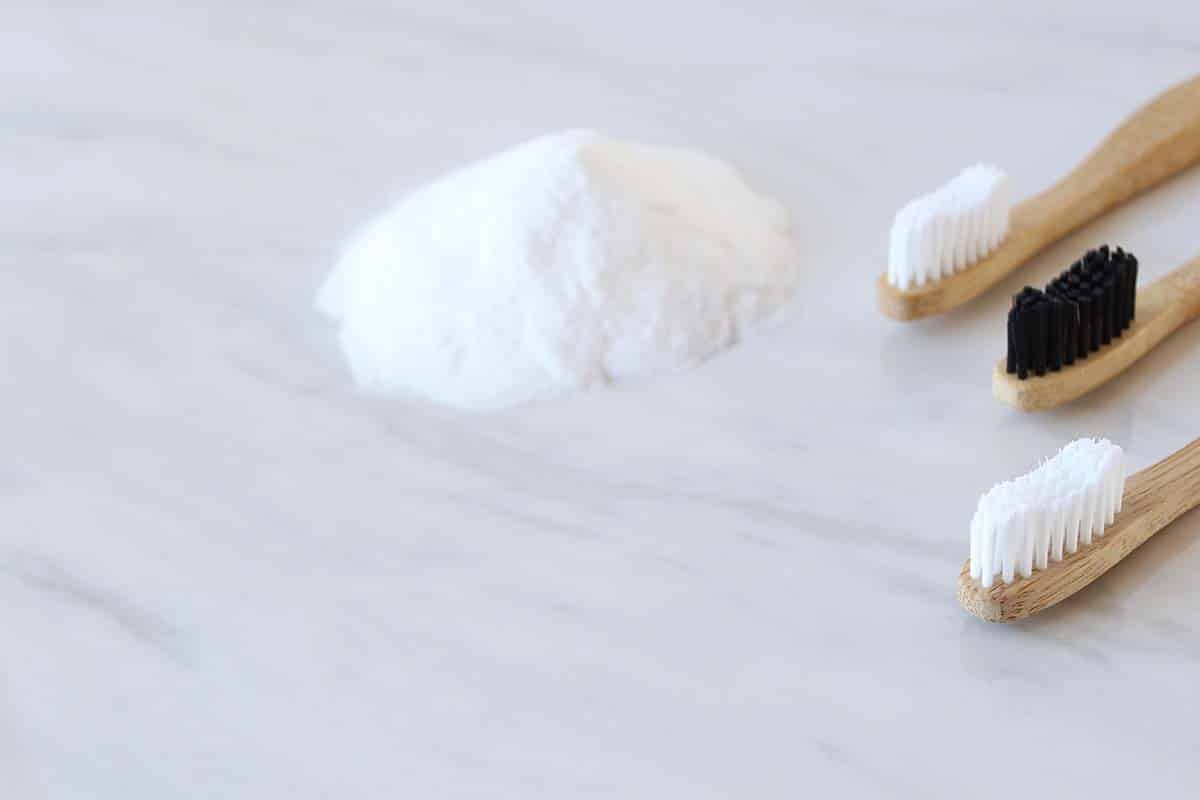
baking soda and toothbrushes

Baking soda is an all-time favourite household product that has a slew of uses. Its slightly abrasive nature renders it perfect for removing mild stains from the teeth.

Another great advantage of baking soda is its being an alkaline substance. This creates certain conditions in the mouth that tooth decay-promoting bacteria can’t thrive in.

When it comes to application, make a baking soda dentifrice by mixing bicarb soda with water and then apply it directly to your teeth. Brush slightly as you normally would. However, it is not advisable to do this very often as it can damage your teeth.

Alternatively, you could get your hands on toothpaste containing baking soda and hydrogen peroxide for best results. Hydrogen peroxide is a natural bleaching agent. If you can’t make up your mind on a particular product, ask your dentist to recommend a brand.

Activated charcoal

activated charcoal teeth whitening toothpaste

Charcoal is used in toothpaste with the sole purpose of whitening the teeth. It seems counterintuitive that something as black as this could have tooth-bleaching properties but the truth is, it can work for mild stains.

The reason for this is that activated charcoal contains abrasive grains that can lift off a stain when rubbed against the surface of the teeth. It acts in a similar way as baking soda, only it’s black.

However, dentists don’t recommend that you use plain charcoal to brush your teeth. There is the possibility of overdoing it and harming your discoloured teeth. In fact, charcoal can chip tooth enamel, leaving you with sensitivity problems.

You should also be careful with charcoal toothpaste since not all are created equal. Look for products that are not super abrasive and make sure they are approved by the American Dental Association (with an ADA Seal of Acceptance) or another authority.

Not to mention, it’s not recommended that you use charcoal on a regular basis, even if you manage to get your hands on a good charcoal-based toothpaste that promises to give you whiter teeth.

All things considered, you need to be careful with any home whitening remedies that you want to implement in your daily routine.

Oil pulling with coconut oil

Daily oil pulling has been shown to decrease the amount of tooth decay-promoting bacteria, which doesn’t necessarily whiten teeth. The practice dates back to ancient Indian days and has long been used in ayurvedic medicine.

Overall, the idea is that you use a spoonful of coconut oil and swish it in your mouth for 10-20 minutes. The longer you do that, the better chance it has to kill bacteria.

You don’t necessarily need to use coconut oil if you don’t have a jar sitting in your pantry. Any oil could work for oil pulling, but coconut oil is considered the best. You might also give sesame oil and sunflower oil a try.

Be that as it may, don’t expect any miracles to happen. While there is no danger to oil pulling, there is also no solid evidence that it has bleaching effects.

Plus, if you engage in this practice, you should know that spitting the oil down the drain might clog your pipes, so it’s best to do so in the trash can. Needless to say, you should not swallow the oil.

Fruits and vegetables

While some fruits contain acids that may eat at your tooth enamel layer, others are rich in enzymes that may be able to fight against stains. We are talking about pineapples and papayas and their enzymes papain and bromelain.

You could rub the fruit on your teeth after eating or just use toothpaste containing these enzymes. It definitely doesn’t hurt to give it a try. However, you should not expect any amazing results whatsoever.

In general, it is a great idea to increase your intake of fruits and vegetables.

What is the Most Effective Way to Whiten Teeth?

woman smiling after professional teeth whitening procedure at the dentist office

Even though natural remedies can help with some surface stains, they don’t usually produce long-lasting results. Some of them don’t even work, to begin with. At least there is no evidence that demonstrates their efficacy.

Professional teeth whitening

If you really want to have white teeth, you can use professional bleaching. This is an in-office procedure that is usually performed in one sitting and the results can be seen right away. There are several steps involved in professional teeth whitening in Singapore.

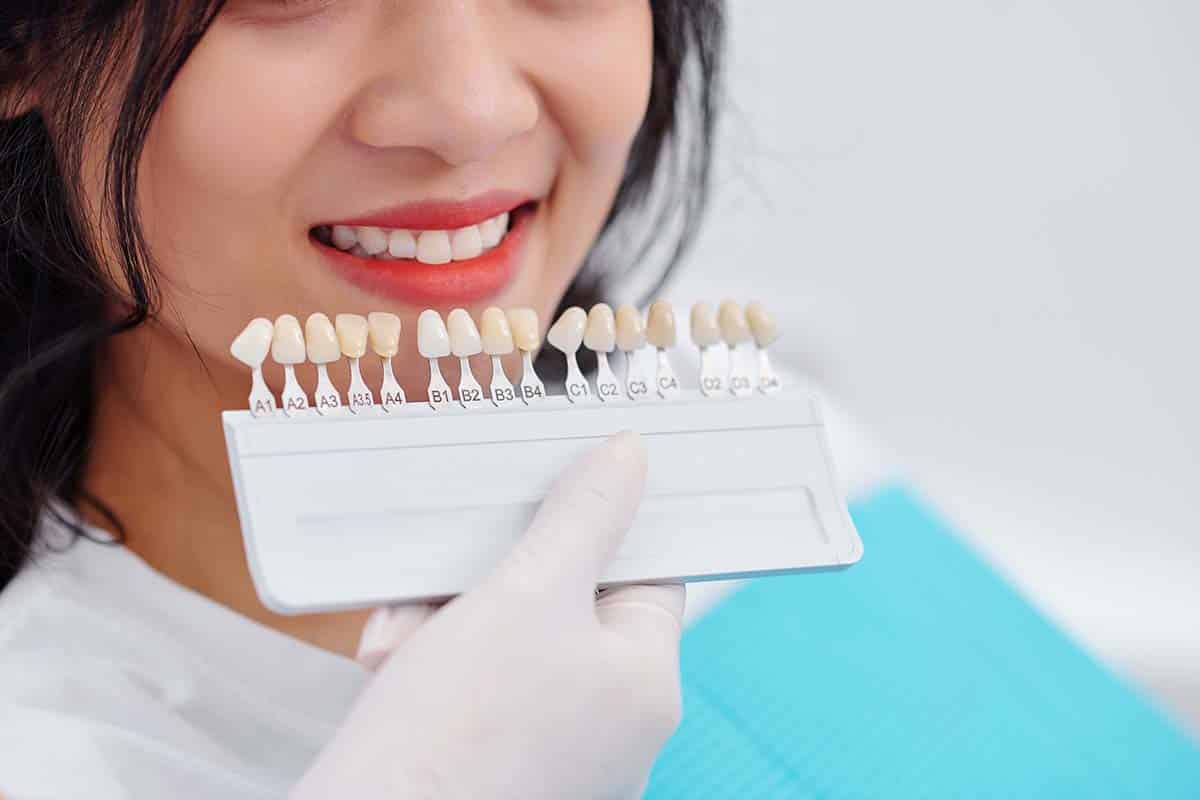
The first one is to determine the current shade of your teeth using a special chart. This will let you know where you currently sit on the colour scale and help you figure out how many shades lighter you want your smile to be.

Your teeth will then be examined and polished with a pumice tool to ensure there is no plaque left. The dentist will place a barrier between your teeth and the rest of the structures to protect the fleshy parts of your mouth from the whitening gel.

Then they will proceed to apply the chemical agent to the teeth. It involves high concentrations (of up to 30% or higher) of hydrogen peroxide.

The gel will be left to sit on for up to an hour. After that, the dentist will check back on you to see if you like the current shade and apply fluoride to prevent tooth sensitivity.

Another way to do this is to shine a halogen, UV, or LED light over the gel using a laser device or a lamp, which breaks down the peroxide, helping it work faster and more intensely. This accelerates the whitening process.

Keep in mind that whitening teeth should never happen too often. Your cosmetic dentistry expert will tell you when it's safe to return to the office for a top-up procedure and a brighter smile. Make sure to read our post on how to take care of your teeth to maintain the whitening results for as long as possible.

Take-home tooth whitening kits

We mention this last because even though it can produce amazing results from the comfort of your own home, it is more prone to errors. The reason for this is simple.

With in-office bleaching, a professional implements all the steps for you. They know exactly how much bleaching gel to use and how much time it needs to sit on your teeth. There is no risk of overdoing it or damaging your teeth. You can read our post on teeth whitening side effects if you're interested.

Then again, with take-home trays, part of the job is left to the patient. You have to put in some effort yourself and try to be as diligent as possible.

The first step involves spending some time with your dentist, actually. They will make impressions of your teeth that will allow for the creation of a custom tray.

Your dentist will give you the end result alongside a carbamide peroxide gel to use with the tray. Carbamide peroxide does not work as fast as hydrogen peroxide and that’s the reason you’re going to get one.

This way, if you accidentally apply some of it on your tongue, cheeks, or gums, sensitivity is less likely to occur. There's also not going to be gum irritation.

You will be prompted to wear the trays for several hours a day for the next 28 days or so. The duration of treatment varies from one patient to the next.

Professional trays are much better than OTC trays because they create a better fit over the tooth structure, and a good fit is crucial for amazing results.

The biggest disadvantage of this method is that you may get uneven results due to a bad fit.

Additional Tips to Prevent Stains

Prevention of stains is better than stain removal. Thus, here are some tips to prevent you from staining teeth that you could incorporate into your daily life.

The best thing you can do is to brush your teeth regularly, twice a day or after each meal. Don't forget to floss because food trapped between your teeth breeds bacteria and causes stains. The American Dental Association recommends that you floss at least once a day.

Moreover, to prevent tooth stains, you can try cutting down on foods and drinks that stain teeth such as coffee, red wine, and berries. It is understandable why this tip would be more challenging to follow, that's why you can focus on the rest.

It is also vital to monitor any health conditions you have that may affect your dental health. Certain medications can make your teeth yellow. If you have concerns about that, bring it up with your doctor or dentist at your next appointment.

For smokers, cutting down on cigarettes or entirely quitting the bad habit is recommended. Tobacco leaves stains on your teeth. No smoking means you don't feel the need to whiten your teeth.

Another important step is to schedule regular dental checkups with your dentist. This way, you can treat issues as they occur and avoid damage to your teeth.

They also offer professional cleaning, which removes plaque buildup, leaving the teeth looking much better and whiter than before. Last but not least, it will keep you from developing gum disease.

At the end of the day, the best natural teeth whitening methods include healthy habits like brushing your teeth that everybody can build.

Frequently Asked Questions